Connect With Us
Blog
Items filtered by date: March 2026
Tuesday, 31 March 2026 00:00
Risk Factors for Falls

Falls are a leading cause of serious injury, especially among older adults, and many risk factors are linked to foot and ankle health. Weak foot muscles and reduced ankle flexibility affect balance. Certain health problems, such as nerve damage that reduces sensation in the feet, may prevent people from feeling the ground properly. Arthritis can cause joint stiffness and pain that limits movement and coordination. Foot deformities, like bunions or hammertoes, may change weight distribution and increase instability. Vision problems, certain medications, and chronic medical conditions can also affect balance and reaction time. In addition, hazardous work environments, substance use, and physical inactivity may raise the likelihood of falling. A podiatrist can evaluate foot structure, joint motion, and gait, which is the pattern of walking, to identify problems that increase fall risk. Treatment may include medical care, exercises, bracing, or custom orthotics aimed at improving stability. If you are at risk for falling, it is suggested that you make an appointment with a podiatrist for an exam, diagnosis, and treatment.
Preventing falls among the elderly is very important. If you are older and have fallen or fear that you are prone to falling, consult with one of our podiatrists from The Foot Center. Our doctors will assess your condition and provide you with quality advice and care.
Every 11 seconds, an elderly American is being treated in an emergency room for a fall related injury. Falls are the leading cause of head and hip injuries for those 65 and older. Due to decreases in strength, balance, senses, and lack of awareness, elderly persons are very susceptible to falling. Thankfully, there are a number of things older persons can do to prevent falls.
How to Prevent Falls
Some effective methods that older persons can do to prevent falls include:
- Enrolling in strength and balance exercise program to increase balance and strength
- Periodically having your sight and hearing checked
- Discuss any medications you have with a doctor to see if it increases the risk of falling
- Clearing the house of falling hazards and installing devices like grab bars and railings
- Utilizing a walker or cane
- Wearing shoes that provide good support and cushioning
- Talking to family members about falling and increasing awareness
Falling can be a traumatic and embarrassing experience for elderly persons; this can make them less willing to leave the house, and less willing to talk to someone about their fears of falling. Doing such things, however, will increase the likelihood of tripping or losing one’s balance. Knowing the causes of falling and how to prevent them is the best way to mitigate the risk of serious injury.
If you have any questions, please feel free to contact our office located in Los Angeles, CA . We offer the newest diagnostic and treatment technologies for all your foot care needs.
Sunday, 29 March 2026 00:00
Are You Suffering From Ingrown Toenails?

If left untreated, an ingrown toenail can lead to more serious concerns, such as an infection. Knowing proper nail care can help in the prevention of an ingrown toenail. Give us a call, and get treated!
Tuesday, 24 March 2026 00:00
Hammertoe and Early Foot Care
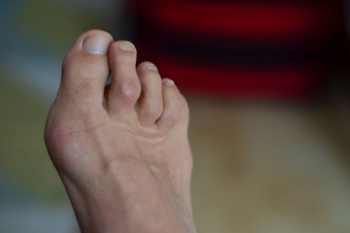
Hammertoe is a foot-related deformity in which one or more of the smaller toes develops a bend at the middle joint, causing the toe to rise up in the middle rather than lie flat. This condition often develops from a muscle-related imbalance that places abnormal pressure on the toe joints over time. Causes include poorly fitted footwear, inherited foot structure, or prolonged pressure on the forefoot. Symptoms include pain along the top of the bent toe when wearing shoes, irritation from friction, and corns forming on the top of the toe joint. Risk factors include wearing tight or high-heeled shoes and having certain foot shapes. A podiatrist can evaluate the deformity and recommend treatment. If you have symptoms of hammertoe, it is suggested that you consult a podiatrist for prompt, effective care.
Hammertoe
Hammertoes can be a painful condition to live with. For more information, contact one of our podiatrists from The Foot Center. Our doctors will answer any of your foot- and ankle-related questions.
Hammertoe is a foot deformity that affects the joints of the second, third, fourth, or fifth toes of your feet. It is a painful foot condition in which these toes curl and arch up, which can often lead to pain when wearing footwear.
Symptoms
- Pain in the affected toes
- Development of corns or calluses due to friction
- Inflammation
- Redness
- Contracture of the toes
Causes
Genetics – People who are genetically predisposed to hammertoe are often more susceptible
Arthritis – Because arthritis affects the joints in your toes, further deformities stemming from arthritis can occur
Trauma – Direct trauma to the toes could potentially lead to hammertoe
Ill-fitting shoes – Undue pressure on the front of the toes from ill-fitting shoes can potentially lead to the development of hammertoe
Treatment
Orthotics – Custom made inserts can be used to help relieve pressure placed on the toes and therefore relieve some of the pain associated with it
Medications – Oral medications such as anti-inflammatories or NSAIDs could be used to treat the pain and inflammation hammertoes causes. Injections of corticosteroids are also sometimes used
Surgery – In more severe cases where the hammertoes have become more rigid, foot surgery is a potential option
If you have any questions, please feel free to contact our office located in Los Angeles, CA . We offer the newest diagnostic and treatment technologies for all your foot care needs.
Tuesday, 17 March 2026 00:00
Ankle Sprain Symptoms and Grades
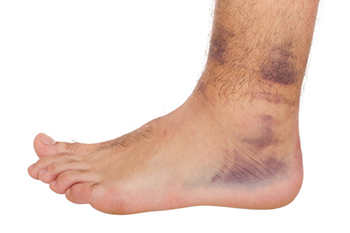
An ankle sprain is a common musculoskeletal injury that occurs when the ligaments supporting the ankle stretch or tear due to sudden twisting or rolling of the joint. Causes often include sports activities, uneven surfaces, wearing improper footwear, or missteps during daily movement. Risk factors include previous ankle injuries, weak ankle muscles, poor balance, and high-impact activities. Symptoms typically involve pain, swelling, bruising, tenderness, and difficulty bearing weight. A mild or Grade I sprain involves slight ligament stretching. A moderate or Grade II sprain includes partial tearing with noticeable swelling. Lastly, a severe or Grade III sprain is a complete ligament tear causing instability. A podiatrist can provide an accurate diagnosis, personalized treatment, and rehabilitation. If you have endured an ankle sprain, it is suggested that you consult a podiatrist who can offer effective relief and treatment solutions.
Although ankle sprains are common, they aren’t always minor injuries. If you need your ankle injury looked at, contact one of our podiatrists from The Foot Center. Our doctors can provide the care you need to keep you pain-free and on your feet.
How Does an Ankle Sprain Occur?
Ankle sprains are the result of a tear in the ligaments within the ankle. These injuries may happen when you make a rapid shifting movement while your foot is planted. A less common way to sprain your ankle is when your ankle rolls inward while your foot turns outward.
What Are the Symptoms?
- Pain at the sight of the tear
- Bruising/Swelling
- Ankle area is tender to touch
- In severe cases, may hear/feel something tear
- Skin discoloration
Preventing a Sprain
- Wearing appropriate shoes for the occasion
- Stretching before exercises and sports
- Knowing your limits
Treatment of a Sprain
In many cases, the RICE method (Rest, Ice, Compression, and Elevate) is used to treat ankle sprains. However, you should see a podiatrist to see which treatment option would work best with your injury. In severe cases, surgery may be required.
It is important to ask your doctor about rehab options after you receive treatment for your injury. Stretching, strength training, and balance exercises may help the ankle heal while also preventing further injury.
If you have any questions, please feel free to contact our office located in Los Angeles, CA . We offer the newest diagnostic and treatment technologies for all your foot care needs.
Tuesday, 10 March 2026 00:00
Understanding a Clubfoot Deformity
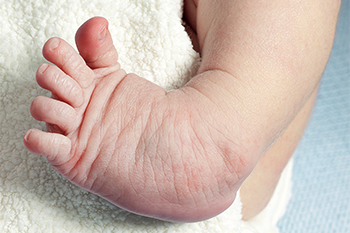
Clubfoot, medically known as talipes equinovarus, is a congenital deformity in which a baby is born with one or both feet turned inward and downward. The position of the foot is referred to as CAVE. C is for cavus or arch. A is for adductus, because the front of the foot angles inward. V is for varus, when the heel tilts inward. E is for equinus, where the ankle points down like a tiptoe. Clubfoot occurs in the womb when foot and calf muscles pull unevenly. This tightens tendons and ligaments and guides bones out of line as a child grows. A podiatrist can confirm clubfoot with an exam and implement the Ponseti method, which consists of a series of casts that correct the foot alignment. This is often followed by an Achilles tendon release and bracing to reduce relapse. If your child is born with a clubfoot, it is suggested that you are under the care of a podiatrist for help in managing this condition.
Congenital foot problems require immediate attention to avoid future complications. If you have any concerns, contact one of our podiatrists of The Foot Center. Our doctors can provide the care you need to keep you pain-free and on your feet.
Congenital foot problems are deformities affecting the feet, toes, and/or ankles that children are born with. Some of these conditions have a genetic cause while others just happen. Some specific foot ailments that children may be born with include clubfeet, polydactyly/macrodactyly, and cleft foot. There are several other foot anomalies that can occur congenitally. What all of these conditions have in common is that a child may experience difficulty walking or performing everyday activities, as well as trouble finding footwear that fits their foot deformity. Some of these conditions are more serious than others. Consulting with a podiatrist as early as possible will help in properly diagnosing a child’s foot condition while getting the necessary treatment underway.
What are Causes of Congenital Foot Problem?
A congenital foot problem is one that happens to a child at birth. These conditions can be caused by a genetic predisposition, developmental or positional abnormalities during gestation, or with no known cause.
What are Symptoms of Congenital Foot Problems?
Symptoms vary by the congenital condition. Symptoms may consist of the following:
- Clubfoot, where tendons are shortened, bones are shaped differently, and the Achilles tendon is tight, causing the foot to point in and down. It is also possible for the soles of the feet to face each other.
- Polydactyly, which usually consists of a nubbin or small lump of tissue without a bone, a toe that is partially formed but has no joints, or an extra toe.
- Vertical talus, where the talus bone forms in the wrong position causing other bones in the foot to line up improperly, the front of the foot to point up, and the bottom of the foot to stiffen, with no arch, and to curve out.
- Tarsal coalition, when there is an abnormal connection of two or more bones in the foot leading to severe, rigid flatfoot.
- Cleft foot, where there are missing toes, a V-shaped cleft, and other anatomical differences.
- Macrodactyly, when the toes are abnormally large due to overgrowth of the underlying bone or soft tissue.
Treatment and Prevention
While there is nothing one can do to prevent congenital foot problems, raising awareness and receiving neonatal screenings are important. Early detection by taking your child to a podiatrist leads to the best outcome possible.
If you have any questions, please feel free to contact our office located in Los Angeles, CA . We offer the newest diagnostic and treatment technologies for all your foot care needs.
Tuesday, 03 March 2026 00:00
When a Small Blister Becomes a Serious Concern
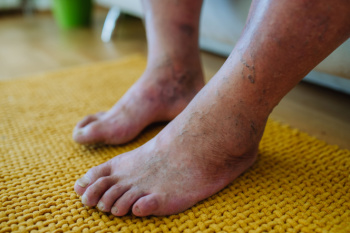
For individuals with diabetes, a simple blister can quickly become a serious foot problem. Blisters often develop from friction caused by tight shoes, moisture, or increased activity. They may appear as clear fluid filled bubbles on the skin, sometimes surrounded by redness or warmth. While a blister might feel mildly tender at first, diabetics may not notice pain or early warning signs because of reduced sensation caused by nerve damage. Slower healing, caused by poor circulation, can allow even a small blister to break open and lead to infection. The skin may look swollen, shiny, or irritated, and drainage or odor can signal a more advanced issue. Careful daily inspection, proper footwear, and keeping feet clean and dry are essential preventive steps. A podiatrist can evaluate the blister, assess circulation and nerve function, provide safe treatment, and recommend protective footwear or custom inserts. If you are diabetic and dealing with foot blisters, it is suggested that you make an appointment with a podiatrist.
Diabetic foot care is important in preventing foot ailments such as ulcers. If you are suffering from diabetes or have any other concerns about your feet, contact one of our podiatrists from The Foot Center. Our doctors can provide the care you need to keep you pain-free and on your feet.
Diabetic Foot Care
Diabetes affects millions of people every year. The condition can damage blood vessels in many parts of the body, especially the feet. Because of this, taking care of your feet is essential if you have diabetes, and having a podiatrist help monitor your foot health is highly recommended.
The Importance of Caring for Your Feet
- Routinely inspect your feet for bruises or sores.
- Wear socks that fit your feet comfortably.
- Wear comfortable shoes that provide adequate support.
Patients with diabetes should have their doctor monitor their blood levels, as blood sugar levels play such a huge role in diabetic care. Monitoring these levels on a regular basis is highly advised.
It is always best to inform your healthcare professional of any concerns you may have regarding your feet, especially for diabetic patients. Early treatment and routine foot examinations are keys to maintaining proper health, especially because severe complications can arise if proper treatment is not applied.
If you have any questions, please feel free to contact our office located in Los Angeles, CA . We offer the newest diagnostic and treatment technologies for all your foot care needs.
