Connect With Us
Blog
Items filtered by date: July 2026
Wednesday, 29 July 2026 00:00
Keep Your Feet Healthy So You Can Stay Active

Have your feet inspected by a professional before starting a new sport or physical activity. Taking charge of your foot health will keep you in good physical condition and can help you avoid a potential injury, such as a fracture or sprained ankle.
Prevent injuries and see a foot specialist.
Tuesday, 28 July 2026 00:00
Foot Therapy for Healthy and Active Feet
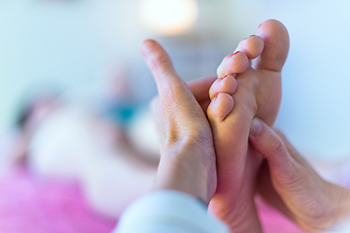
Foot therapy includes a variety of treatments that help improve comfort, support healthy movement, and reduce foot pain. One approach used by some podiatrists is foot reflexology. Reflexology involves applying gentle pressure to specific areas of the feet. These areas, called reflex points, are believed to correspond with different parts of the body. Many patients find reflexology relaxing, and it can help reduce muscle tension while improving their overall sense of well-being. A podiatrist first evaluates the condition of the feet to determine whether reflexology is appropriate as part of a treatment plan. Patients with foot pain, stiffness, or tired feet can benefit from a professional evaluation before beginning any type of foot therapy.
A podiatrist begins with a detailed examination of the feet and ankles. The evaluation includes checking foot structure, muscle strength, and flexibility. The podiatrist also observes how the patient stands and walks because gait, or the body's walking pattern, provides valuable information about foot function. The examination identifies areas of tenderness, pressure, and reduced movement that can affect comfort and balance. Based on these findings, the podiatrist determines whether reflexology can complement other treatments that address the patient's specific foot condition. The goal is to improve comfort while supporting healthy foot function.
Foot reflexology is frequently combined with other podiatric treatments that address the underlying cause of foot pain. Care also includes custom orthotics that improve foot alignment and distribute pressure more evenly across the feet. Guided exercises can strengthen the muscles that support the feet and ankles while improving flexibility and balance. The podiatrist can recommend shoes that fit properly and provide good support for daily activities. Regular follow-up visits allow progress to be monitored and treatment to be adjusted as needed. If you have symptoms of foot pain or reduced foot function, it is suggested that you schedule an appointment with a podiatrist for diagnosis and treatment.
Foot therapy is often necessary for those recovering from either foot deformities or foot injuries. If you have concerns regarding therapy, consult with one of our podiatrists from The Foot Center. Our doctors can provide the care you need to keep you pain-free and on your feet.
Most Common Injuries
People who are active or athletes are prone to a variety of injuries. Therefore, it is often important to take part in physical therapy in order to quickly get back on the right track.
What to Do When Injured
Physical Therapy – This specialized treatment will focus on the affected area, speeding up recovery and the overall healing process. It is a proven method that has helped millions of people return from any injury.
During physical therapy you will undergo regimented training to get back into full form. Training is often very difficult, especially at first when the foot feels weak. Physical therapy often involves:
Basic stretching and twisting exercises – getting the feet’s mobility and flexibility up.
Massaging – the therapist will massage the injured area in order to activate the muscles and relax them.
Strengthening Exercises – this allows the muscles in the affected area to regain their full strength, a vital step towards full recovery.
If you have any questions, please feel free to contact our office located in Los Angeles, CA . We offer the newest diagnostic and treatment technologies for all your foot care needs.
Tuesday, 21 July 2026 00:00
Causes of Swollen Feet During Pregnancy
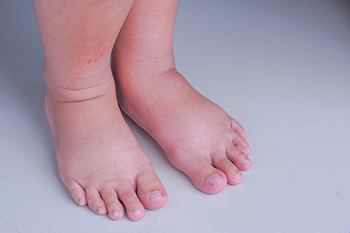
Swollen feet during pregnancy are a common condition that develops as the body adapts to support a growing baby. This swelling, known as edema, occurs when excess fluid collects in the tissues of the feet and ankles. Hormonal changes play a major role, as they cause blood vessels to relax and can slow circulation. At the same time, increased body weight and pressure from the uterus can affect blood flow, leading to fluid buildup in the lower extremities. Many women also notice that their feet appear larger, which can be a result of ligament relaxation and structural changes.
Symptoms often include visible swelling in the feet and ankles, a feeling of tightness in shoes, and mild discomfort while walking or standing. The skin may appear stretched or shiny, and some women experience a heavy sensation in the lower legs. Foot growth during pregnancy is influenced by hormones that loosen ligaments, allowing the arch to flatten slightly. This can lead to a permanent increase in foot size for some individuals, especially after multiple pregnancies.
Risk factors include prolonged standing, high sodium intake, and warm weather conditions that promote fluid retention. Hormonal shifts and natural weight gain place additional stress on the feet, increasing the likelihood of swelling and discomfort. Preventive measures and relief strategies include drinking enough water to support circulation, elevating the feet when possible, and wearing compression socks to reduce fluid buildup. Wearing comfortable and supportive shoes with proper cushioning can also help maintain foot stability.
Managing foot health during pregnancy is important for comfort and mobility. Taking simple steps to reduce swelling can improve daily function and overall well being. Monitoring symptoms and making supportive lifestyle adjustments can make a noticeable difference. If you have swollen or painful feet during your pregnancy, it is suggested that you consult a podiatrist for effective relief and management tips.
Pregnant women with swollen feet can be treated with a variety of different methods that are readily available. For more information about other cures for swollen feet during pregnancy, consult with one of our podiatrists from The Foot Center. Our doctors will attend to all of your foot and ankle needs.
What Foot Problems Can Arise During Pregnancy?
One problem that can occur is overpronation, which occurs when the arch of the foot flattens and tends to roll inward. This can cause pain and discomfort in your heels while you’re walking or even just standing up, trying to support your baby.
Another problem is edema, or swelling in the extremities. This often affects the feet during pregnancy but tends to occur in the later stages.
How Can I Keep My Feet Healthy During Pregnancy?
- Wearing orthotics can provide extra support for the feet and help distribute weight evenly
- Minimize the amount of time spent walking barefoot
- Wear shoes with good arch support
- Wear shoes that allow for good circulation to the feet
- Elevate feet if you experience swelling
- Massage your feet
- Get regular, light exercise, such as walking, to promote blood circulation to the feet
If you have any questions, please feel free to contact our office located in Los Angeles, CA . We offer the newest diagnostic and treatment technologies for all your foot care needs.
Tuesday, 14 July 2026 00:00
How Gout Affects the Feet and Ankles
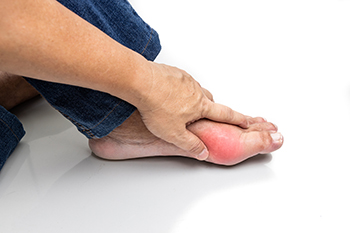
Gout is a painful form of arthritis that develops when too much uric acid builds up in the body. Uric acid is a natural waste product that usually leaves the body through the kidneys. When levels become too high, tiny crystals can collect inside a joint and trigger sudden pain, swelling, and redness. The joint at the base of the big toe is affected most often, although gout can also involve the ankle. A flare-up can begin without warning and cause pain that disturbs sleep or limits normal daily activities. Without proper treatment, repeated attacks can damage the affected joint and reduce comfort while walking.
Several factors increase the risk of gout. These include a family history of the condition, excess body weight, and certain medical conditions. A diet that is high in purines also raises uric acid levels. Purines are natural substances found in foods like anchovies, bacon, and sardines. Beer and other alcoholic drinks can also increase the chance of painful gout flares. A podiatrist can examine the affected foot, review your medical history, and order imaging or laboratory testing when appropriate. Gout symptoms can resemble those of an infection or another type of arthritis. For that reason, identifying the true cause allows treatment to begin promptly.
Treatment focuses on reducing inflammation, protecting the affected joint, and lowering the chance of future attacks. A podiatrist can recommend a treatment plan and work with other healthcare providers when additional medical management is needed. Regular follow-up visits help monitor joint health and evaluate your progress. Patients also benefit from guidance about healthy eating patterns, weight management, and limiting foods and drinks that increase uric acid levels. These steps can reduce the frequency of gout attacks and help protect the joints from lasting damage. If you have symptoms of gout, it is suggested that you schedule an appointment with a podiatrist for effective relief tips and help in managing this chronic condition.
Gout is a painful condition that can be treated. If you are seeking treatment, contact one of our podiatrists from The Foot Center. Our doctors will treat your foot and ankle needs.
What Is Gout?
Gout is a form of arthritis that is characterized by sudden, severe attacks of pain, redness, and tenderness in the joints. The condition usually affects the joint at the base of the big toe. A gout attack can occur at any random time, such as the middle of the night while you are asleep.
Symptoms
- Intense Joint Pain - Usually around the large joint of your big toe, and it most severe within the first four to twelve hours
- Lingering Discomfort - Joint discomfort may last from a few days to a few weeks
- Inflammation and Redness -Affected joints may become swollen, tender, warm and red
- Limited Range of Motion - May experience a decrease in joint mobility
Risk Factors
- Genetics - If family members have gout, you’re more likely to have it
- Medications - Diuretic medications can raise uric acid levels
- Gender/Age - Gout is more common in men until the age of 60. It is believed that estrogen protects women until that point
- Diet - Eating red meat and shellfish increases your risk
- Alcohol - Having more than two alcoholic drinks per day increases your risk
- Obesity - Obese people are at a higher risk for gout
Prior to visiting your podiatrist to receive treatment for gout, there are a few things you should do beforehand. If you have gout you should write down your symptoms--including when they started and how often you experience them, important medical information you may have, and any questions you may have. Writing down these three things will help your podiatrist in assessing your specific situation so that he or she may provide the best route of treatment for you.
If you have any questions, please feel free to contact our office located in Los Angeles, CA . We offer the newest diagnostic and treatment technologies for all your foot care needs.
Tuesday, 07 July 2026 00:00
What Tarsal Tunnel Syndrome Feels Like and Why It Develops
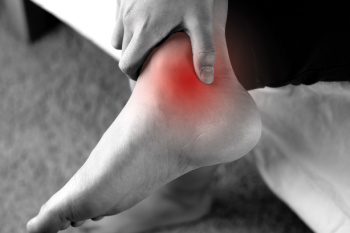
Tarsal tunnel syndrome develops when the posterior tibial nerve becomes compressed near the inner ankle. It is similar to carpal tunnel syndrome in the wrist. The affected nerve plays a key role in sensation and movement within the foot. When pressure builds inside the tarsal tunnel, it disrupts normal nerve function and leads to discomfort. The condition may develop gradually, making it easy to overlook in its early stages. Understanding how it feels and what contributes to it can help individuals seek care at the right time.
Many people with this condition report a burning or tingling sensation that travels along the inside of the ankle into the arch of the foot. Some describe sharp pain that worsens with activity and improves with rest. Others may feel numbness or a pins-and-needles sensation that becomes more noticeable at night. The discomfort can vary in intensity, but it often interferes with walking, standing, or exercise. Over time, the symptoms may become more persistent and difficult to ignore.
The causes of tarsal tunnel syndrome are often related to pressure or structural changes in the foot. Flat feet are a common factor because they alter foot mechanics and increase strain on the nerve. Swelling from injuries, tendon inflammation, or joint conditions can also narrow the tunnel space. Risk factors include obesity, repetitive stress, prolonged standing, and wearing poorly fitting shoes. Certain medical conditions, including diabetes and arthritis, may further increase the likelihood of nerve compression.
Managing this condition requires a clear understanding of its cause and severity. Early treatment may include rest, wearing supportive footwear, and custom orthotics to reduce pressure. In more advanced cases, medical intervention may be necessary to prevent long-term nerve damage. If you have pain in this part of your foot, it is suggested that you consult a podiatrist who can accurately diagnose and treat tarsal tunnel syndrome.
Tarsal tunnel syndrome can be very uncomfortable to live with. If you are experiencing tarsal tunnel syndrome, contact one of our podiatrists of The Foot Center. Our doctors can provide the care you need to keep you pain-free and on your feet.
Tarsal Tunnel Syndrome
Tarsal tunnel syndrome, which can also be called tibial nerve dysfunction, is an uncommon condition of misfiring peripheral nerves in the foot. The tibial nerve is the peripheral nerve in the leg responsible for sensation and movement of the foot and calf muscles. In tarsal tunnel syndrome, the tibial nerve is damaged, causing problems with movement and feeling in the foot of the affected leg.
Common Cause of Tarsal Tunnel Syndrome
- Involves pressure or an injury, direct pressure on the tibial nerve for an extended period of time, sometimes caused by other body structures close by or near the knee.
- Diseases that damage nerves, including diabetes, may cause tarsal tunnel syndrome.
- At times, tarsal tunnel syndrome can appear without an obvious cause in some cases.
The Effects of Tarsal Tunnel Syndrome
- Different sensations, an afflicted person may experience pain, tingling, burning or other unusual sensations in the foot of the affected leg.
- The foot muscles, toes and ankle become weaker, and curling your toes or flexing your foot can become difficult.
- If condition worsens, infections and ulcers may develop on the foot that is experiencing the syndrome.
A physical exam of the leg can help identify the presence of tarsal tunnel syndrome. Medical tests, such as a nerve biopsy, are also used to diagnose the condition. Patients may receive physical therapy and prescriptive medication. In extreme cases, some may require surgery.
If you have any questions please contact our office located in Los Angeles, CA . We offer the newest diagnostic and treatment technologies for all your foot and ankle needs.
