Connect With Us
Blog
Items filtered by date: June 2026
Tuesday, 30 June 2026 00:00
Foot Problems Linked to Playing Golf

Golf places repeated stress on the feet and ankles because each swing requires twisting, pivoting, and shifting body weight. A long round means steps on grass, hills, and uneven ground. These movements can lead to heel pain, ball-of-foot pain, or soreness under the big toe joint. Heel pain can feel sharp with the first steps in the morning. Pain in the ball of the foot can feel like burning or aching beneath the toes. Pain under the big toe can make it hard to push off during the golf swing or while walking.
Golf can also irritate the back of the heel, the toes, and the side of the ankle. Pain behind the heel can come from strain on the strong tendon that connects the calf to the heel. This pain can worsen when walking uphill or standing for long periods. Some golfers feel sharp pain, tingling, or numbness between the toes when pressure irritates a nerve. Existing bunions can also become more painful from the sideways force of the swing. An ankle sprain can occur when the foot slips, rolls, or twists on uneven ground.
A podiatrist can examine the foot and ankle to find the cause of pain. X-rays and other imaging can help show whether a bone, joint, or soft tissue is injured. Treatment options include supportive shoes, custom orthotics, and bracing to reduce pressure on painful areas. A walking boot can help protect against serious injuries while healing takes place. Anti-inflammatory care can reduce swelling and soreness. A podiatrist can recommend stretching and strengthening exercises to improve balance and foot control. Early treatment can help golfers return to the course with less pain. If you have foot pain after playing golf, it is suggested that you make an appointment with a podiatrist for an exam and treatment options.
Ankle and foot injuries are common among athletes and in many sports. They can be caused by several problems and may be potentially serious. If you are feeling pain or think you were injured in a sporting event or when exercising, consult with one of our podiatrists from The Foot Center. Our doctors will assess your condition and provide you with quality foot and ankle treatment.
Common Injuries
The most common injuries that occur in sporting activities include:
- Achilles Tendonitis
- Achilles Tendon Rupture
- Ankle Sprains
- Broken Foot
- Plantar Fasciitis
- Stress Fractures
- Turf Toe
Symptoms
Symptoms vary depending upon the injury and in some cases, there may be no symptoms at all. However, in most cases, some form of symptom is experienced. Pain, aching, burning, bruising, tenderness, tightness or stiffness, sensation loss, difficulty moving, and swelling are the most common symptoms.
Treatment
Just as symptoms vary depending upon the injury, so do treatment options. A common treatment method is known as the RICE method. This method involves rest, applying ice, compression and elevating the afflicted foot or ankle. If the injury appears to be more serious, surgery might be required, such as arthroscopic or reconstructive surgery. Lastly, rehabilitation or therapy might be needed to gain full functionality in the afflicted area. Any discomfort experienced by an athlete must be evaluated by a licensed, reputable medical professional.
If you have any questions please contact our office located in Los Angeles, CA . We offer the newest diagnostic and treatment technologies for all your foot and ankle needs.
Sunday, 28 June 2026 00:00
Ankle Fracture? Don’t Wait for Treatment

If you're suffering from an ankle fracture, professional attention shouldn't wait. Fractures may worsen over time and can make completing everyday activities incredibly difficult. See your specialist for treatment and guidance through the healing process.
Tuesday, 23 June 2026 00:00
Chronic Ankle Instability and Recurring Lateral Sprains

Chronic ankle instability develops after repeated lateral ankle sprains. These injuries lead to persistent weakness and can cause a feeling of the ankle giving way. This condition affects the stability of the ankle joint and can interfere with both athletic performance and daily activities. It often begins with an initial sprain that does not fully heal, resulting in ongoing ligament laxity. Eventually, the ankle becomes less reliable, increasing the risk of additional injuries and long-term joint damage.
Common symptoms of chronic ankle instability include recurring ankle sprains, ongoing discomfort, and swelling after activity. Individuals may notice difficulty maintaining balance or a sense that the ankle is unstable during movement. Pain may be mild or moderate, but can become more noticeable with increased activity. Limited range of motion and stiffness are also common. If they are not properly addressed, these symptoms can significantly impact mobility and quality of life.
Risk factors for chronic ankle instability include a history of untreated or poorly managed ankle sprains. Weak supporting muscles, poor proprioception, and inadequate rehabilitation all contribute to continued instability. Participation in high impact sports or activities with frequent directional changes can increase strain on the ankle. Improper footwear and uneven surfaces further elevate the risk of reinjury. Identifying these factors is important for preventing progression and improving joint support.
The causes of chronic ankle instability are linked to repeated damage to the lateral ligaments and insufficient healing. Each sprain weakens the structural integrity of the joint, making it more prone to future injury. Comprehensive treatment focuses on strengthening, stability training, and proper foot alignment. Early intervention can reduce recurrence and improve function. If you have ankle sprains or chronic instability, it is suggested you consult a podiatrist for an accurate diagnosis and appropriate treatment.
Ankle sprains are common but need immediate attention. If you need your feet checked, contact one of our podiatrists from The Foot Center. Our doctors can provide the care you need to keep you pain-free and on your feet.
How Does an Ankle Sprain Occur?
Ankle sprains take place when the ligaments in your ankle are torn or stretched beyond their limits. There are multiple ways that the ankle can become injured, including twisting or rolling over onto your ankle, putting undue stress on it, or causing trauma to the ankle itself.
What Are the Symptoms?
- Mild to moderate bruising
- Limited mobility
- Swelling
- Discoloration of the skin (depending on severity)
Preventing a Sprain
- Wearing appropriate shoes for the occasion
- Stretching before exercises and sports
- Knowing your limits
Treatment of a Sprain
Treatment of a sprain depends on the severity. Many times, people are told to rest and remain off their feet completely, while others are given an air cast. If the sprain is very severe, surgery may be required.
If you have suffered an ankle sprain previously, you may want to consider additional support such as a brace and regular exercises to strengthen the ankle.
If you have any questions please feel free to contact our office located in Los Angeles, CA . We offer the newest diagnostic tools and technology to treat your foot and ankle needs.
Tuesday, 16 June 2026 00:00
Understanding Neuropathic Wounds
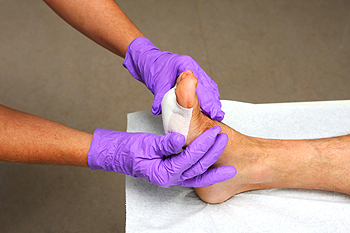
Neuropathic wounds are slow-healing injuries that often develop when nerve damage reduces feeling in the feet, making it easier to miss cuts, pressure spots, or irritation. People with diabetes are especially at risk because reduced sensation can allow small problems to worsen without notice. These wounds are among the more common long-lasting skin injuries treated by podiatrists, alongside circulation-related sores, pressure-related skin breakdown, and delayed healing after procedures. Neuropathic wounds often appear on pressure-bearing areas such as the bottom of the foot or toes. Treatment focuses on reducing pressure, removing damaged tissue when needed, controlling infection, and supporting healthy healing conditions. A podiatrist may also assess circulation, foot structure, and walking patterns that contribute to repeated injury. If you notice a sore on your foot that is not improving or you have numbness with skin breakdown, it is strongly suggested that you are under the care of a podiatrist to explore effective relief and management solutions.
Wound care is an important part in dealing with diabetes. If you have diabetes and a foot wound or would like more information about wound care for diabetics, consult with one of our podiatrists from The Foot Center. Our doctors will assess your condition and provide you with quality foot and ankle treatment.
What Is Wound Care?
Wound care is the practice of taking proper care of a wound. This can range from the smallest to the largest of wounds. While everyone can benefit from proper wound care, it is much more important for diabetics. Diabetics often suffer from poor blood circulation which causes wounds to heal much slower than they would in a non-diabetic.
What Is the Importance of Wound Care?
While it may not seem apparent with small ulcers on the foot, for diabetics, any size ulcer can become infected. Diabetics often also suffer from neuropathy, or nerve loss. This means they might not even feel when they have an ulcer on their foot. If the wound becomes severely infected, amputation may be necessary. Therefore, it is of the upmost importance to properly care for any and all foot wounds.
How to Care for Wounds
The best way to care for foot wounds is to prevent them. For diabetics, this means daily inspections of the feet for any signs of abnormalities or ulcers. It is also recommended to see a podiatrist several times a year for a foot inspection. If you do have an ulcer, run the wound under water to clear dirt from the wound; then apply antibiotic ointment to the wound and cover with a bandage. Bandages should be changed daily and keeping pressure off the wound is smart. It is advised to see a podiatrist, who can keep an eye on it.
If you have any questions please contact our office located in Los Angeles, CA . We offer the newest diagnostic and treatment technologies for all your foot and ankle needs.
Tuesday, 09 June 2026 00:00
Facts About Ingrown Toenails
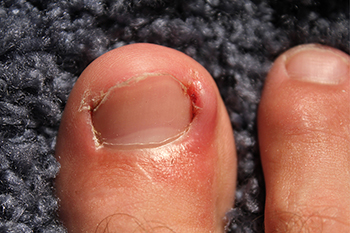
An ingrown toenail occurs when the edge of a nail grows into the surrounding skin, causing irritation and pain. This condition often appears as redness, swelling, and tenderness along the nail border, and may lead to drainage or infection if untreated. Common causes include improper nail trimming, tight footwear, toe injuries, and natural nail shape. Risk factors include diabetes, poor circulation, excessive sweating, and repetitive pressure on the toes. A podiatrist can relieve discomfort by removing the ingrown portion safely, treating infection, and guiding proper nail growth. They may also address underlying nail deformities, provide guidance on footwear, and use specialized techniques to prevent recurrence while protecting surrounding tissue. If you have a painful ingrown toenail, it is suggested that you consult a podiatrist who can offer effective treatment, which may include minor surgery.
Ingrown toenails may initially present themselves as a minor discomfort, but they may progress into an infection in the skin without proper treatment. For more information about ingrown toenails, contact one of our podiatrists of The Foot Center. Our doctors can provide the care you need to keep you pain-free and on your feet.
Ingrown Toenails
Ingrown toenails are caused when the corner or side of a toenail grows into the soft flesh surrounding it. They often result in redness, swelling, pain, and in some cases, infection. This condition typically affects the big toe and may recur if it is not treated properly.
Causes
- Improper toenail trimming
- Genetics
- Improper shoe fitting
- Injury from pedicures or nail picking
- Abnormal gait
- Poor hygiene
You are more likely to develop an ingrown toenail if you are obese, have diabetes, arthritis, or have any fungal infection in your nails. Additionally, people who have foot or toe deformities are at a higher risk of developing an ingrown toenail.
Symptoms
Some symptoms of ingrown toenails are redness, swelling, and pain. In rare cases, there may be a yellowish drainage coming from the nail.
Treatment
Ignoring an ingrown toenail can have serious complications. Infections of the nail border can progress to a deeper soft-tissue infection, which can then turn into a bone infection. You should always speak with your podiatrist if you suspect you have an ingrown toenail, especially if you have diabetes or poor circulation.
If you have any questions, please feel free to contact our office located in Los Angeles, CA . We offer the newest diagnostic and treatment technologies for all your foot care needs.
Tuesday, 02 June 2026 00:00
When the Achilles Tendon Ruptures
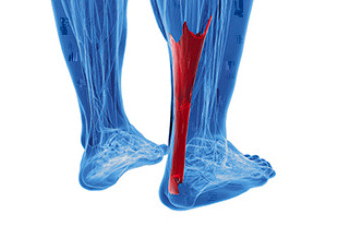
An Achilles tendon rupture is a serious injury that occurs when the thick tendon connecting the calf muscles to the heel tears completely. This injury frequently happens during sports that involve sudden jumping, pivoting, or running. Many people report hearing or feeling a loud pop in the back of the ankle, followed by sharp pain and trouble walking. Swelling, bruising, and weakness in pushing off the foot are also common symptoms. Risk factors include tight calf muscles, previous tendon injuries, diabetes, and overuse from physical activity. Achilles tendon ruptures are sometimes mistaken for ankle sprains, which can delay proper care. A podiatrist can diagnose this injury with a physical exam and imaging studies. Treatment includes immobilization, custom orthotics, and rehabilitation. Surgery may be required, depending on the severity of the rupture and the patient’s activity level. If you have torn your Achilles tendon, it is suggested that you promptly schedule an appointment with a podiatrist for appropriate treatment solutions.
Achilles tendon injuries need immediate attention to avoid future complications. If you have any concerns, contact one of our podiatrists of The Foot Center. Our doctors can provide the care you need to keep you pain-free and on your feet.
What Is the Achilles Tendon?
The Achilles tendon is a tendon that connects the lower leg muscles and calf to the heel of the foot. It is the strongest tendon in the human body and is essential for making movement possible. Because this tendon is such an integral part of the body, any injuries to it can create immense difficulties and should immediately be presented to a doctor.
What Are the Symptoms of an Achilles Tendon Injury?
There are various types of injuries that can affect the Achilles tendon. The two most common injuries are Achilles tendinitis and ruptures of the tendon.
Achilles Tendinitis Symptoms
- Inflammation
- Dull to severe pain
- Increased blood flow to the tendon
- Thickening of the tendon
Rupture Symptoms
- Extreme pain and swelling in the foot
- Total immobility
Treatment and Prevention
Achilles tendon injuries are diagnosed by a thorough physical evaluation, which can include an MRI. Treatment involves rest, physical therapy, and in some cases, surgery. However, various preventative measures can be taken to avoid these injuries, such as:
- Thorough stretching of the tendon before and after exercise
- Strengthening exercises like calf raises, squats, leg curls, leg extensions, leg raises, lunges, and leg presses
If you have any questions please feel free to contact our office located in Los Angeles, CA . We offer the newest diagnostic tools and technology to treat your foot and ankle needs.
