Connect With Us
Blog
Items filtered by date: October 2026
Wednesday, 28 October 2026 00:00
Heel Pain in the Morning?

Heel pain can negatively affect your day-to-day life. Simple activities like walking can become incredibly uncomfortable or painful due to heel pain.
Don’t live with heel pain and get treated.
Tuesday, 27 October 2026 00:00
Why Corns Develop on Feet and Toes

Corns are thick areas of skin that form where repeated pressure or rubbing affects the foot. They develop on the top or side of toes, between toes, or on weight-bearing areas of the sole. A corn has a firm central core that presses into deeper skin and causes pain. Hard corns tend to be dry and yellowish. Soft corns between the toes look whitish because moisture keeps them flexible. Unlike a wider, flatter callus, a corn can feel like a thorn pressing into the foot. Discomfort is strongest while standing or walking.
Wearing shoes that are too tight can squeeze the toes and create repeated friction. Loose shoes can let the foot slide and rub against the inside. Hammertoes, bunions, and other changes in foot shape can create pressure points near bones. Dry skin can encourage thickening. People with reduced feeling in their feet may not notice a corn until the skin becomes damaged. This is especially concerning for patients with diabetes, poor circulation, or nerve problems. A podiatrist can examine the area and distinguish a corn from a callus, plantar wart, or other skin problem.
Treatment begins by finding and reducing the source of pressure. The podiatrist can carefully remove thickened skin and the dense core without harming healthy tissue. Treatment includes checking foot structure, toe position, and shoe fit. Padding or custom orthotics can redistribute pressure and protect the affected spot. Wider shoes with ample toe room can prevent continued rubbing. When a foot deformity repeatedly causes corns, the podiatrist can discuss treatment options. Surgery is considered only when a structural problem causes lasting symptoms that do not improve with conservative care. Treatment from a podiatrist is especially important when a corn is red, draining, or surrounded by broken skin. If you have a painful corn on your foot, it is suggested that you schedule an appointment with a podiatrist for effective relief and treatment solutions.
Corns can make walking very painful and should be treated immediately. If you have questions regarding your feet and ankles, contact one of our podiatrists of The Foot Center. Our doctors will treat your foot and ankle needs.
Corns: What Are They? And How Do You Get Rid of Them?
Corns are thickened areas on the skin that can become painful. They are caused by excessive pressure and friction on the skin. Corns press into the deeper layers of the skin and are usually round in shape.
Ways to Prevent Corns
There are many ways to get rid of painful corns such as:
- Wearing properly fitting shoes that have been measured by a professional
- Wearing shoes that are not sharply pointed or have high heels
- Wearing only shoes that offer support
Treating Corns
Although most corns slowly disappear when the friction or pressure stops, this isn’t always the case. Consult with your podiatrist to determine the best treatment option for your case of corns.
If you have any questions, please feel free to contact our office located in Los Angeles, CA . We offer the newest diagnostic and treatment technologies for all your foot care needs.
Tuesday, 20 October 2026 00:00
Types and Causes of Ankle Sprains

An ankle sprain happens when strong bands of tissue called ligaments stretch too far or tear. Ligaments are strong bands of tissue that connect bones and keep the ankle stable. Most sprains are inversion sprains, which occur when the foot rolls inward and damages outer ankle ligaments. An eversion sprain occurs when the foot rolls outward and injures inner ankle ligaments. A high-ankle sprain affects ligaments above the joint. This injury can be more serious because these ligaments hold the lower-leg bones together. Symptoms include pain, swelling, and bruising. A patient may also have trouble placing weight on the injured foot.
Ankle sprains can result from a sudden misstep or awkward landing. They can happen while running, playing sports, or even stepping off a curb. Uneven ground can cause the ankle to roll. Quick direction changes and contact with another player can force the joint beyond its normal range. Risk increases with weak ankle muscles, poor balance, or a previous sprain. Shoes that lack proper support can make the ankle less stable. However, even a strong ankle in well-fitting shoes can be sprained when enough force is placed on its ligaments.
A podiatrist can examine the ankle and determine which ligaments were injured. The evaluation considers how the injury happened and where pain is located. The podiatrist checks swelling, movement, and joint stability. X-rays can reveal a fracture that causes similar symptoms. Other imaging tests can show ligament or tissue damage when the diagnosis remains unclear. Treatment depends on the sprain's type and severity. A podiatrist can provide a brace, walking boot, or other support to protect the ankle. This foot doctor also can recommend activity changes and monitor healing. Severe ligament damage or instability can require surgery. Diagnosis matters because an untreated sprain can lead to repeated injuries, lasting pain, and poor balance. If you have sprained your ankle, it is suggested that you schedule an appointment with a podiatrist for effective relief and treatment solutions.
Although ankle sprains are common, they aren’t always minor injuries. If you need your ankle injury looked at, contact one of our podiatrists from The Foot Center. Our doctors can provide the care you need to keep you pain-free and on your feet.
How Does an Ankle Sprain Occur?
Ankle sprains are the result of a tear in the ligaments within the ankle. These injuries may happen when you make a rapid shifting movement while your foot is planted. A less common way to sprain your ankle is when your ankle rolls inward while your foot turns outward.
What Are the Symptoms?
- Pain at the sight of the tear
- Bruising/Swelling
- Ankle area is tender to touch
- In severe cases, may hear/feel something tear
- Skin discoloration
Preventing a Sprain
- Wearing appropriate shoes for the occasion
- Stretching before exercises and sports
- Knowing your limits
Treatment of a Sprain
In many cases, the RICE method (Rest, Ice, Compression, and Elevate) is used to treat ankle sprains. However, you should see a podiatrist to see which treatment option would work best with your injury. In severe cases, surgery may be required.
It is important to ask your doctor about rehab options after you receive treatment for your injury. Stretching, strength training, and balance exercises may help the ankle heal while also preventing further injury.
If you have any questions, please feel free to contact our office located in Los Angeles, CA . We offer the newest diagnostic and treatment technologies for all your foot care needs.
Tuesday, 13 October 2026 00:00
Common Causes for Pain on Top of the Foot

Pain on top of the foot can make walking and exercising uncomfortable. This area contains bones, joints, and ligaments that can become irritated or injured. Causes include stress fractures, sprains, and tendinitis. Symptoms vary by problem, but pain, swelling, and stiffness may occur. Pain that increases with activity or continues during rest deserves attention, especially when it affects movement and daily activities.
A stress fracture is a small crack in a bone caused by repeated pressure. Athletes and others who suddenly increase activity have greater risk. A sprain occurs when a ligament is stretched or torn, often after twisting the foot. Swelling, bruising, and tenderness are common. Arthritis involves inflammation or degeneration within a joint. Risk factors include age and previous injuries. Tendinitis develops when a tendon becomes irritated from repeated use. Active people and those with sudden training changes may be more vulnerable.
A podiatrist starts by discussing symptoms, activities, and injury history. The foot is examined for tenderness, stiffness, and movement changes. X-rays may help identify fractures or arthritis. Other imaging may be recommended. Treatment depends on the diagnosis. A stress fracture may require activity restriction and a walking boot. A sprain may need rest and support, and arthritis treatment may include wearing supportive footwear. Tendinitis may require reduced activity while the tendon heals.
Getting the correct diagnosis is important because different causes of pain on top of the foot require different care. Activities that increase pain can delay healing or worsen an injury. A podiatrist can monitor recovery and help you return to normal activity. Seek prompt evaluation when pain is severe, swelling develops, or you cannot walk comfortably. If you have pain on top of your foot, it is suggested that you consult a podiatrist for an accurate diagnosis and appropriate treatment.
Foot Pain
Foot pain can be extremely painful and debilitating. If you have a foot pain, consult with one of our podiatrists from The Foot Center. Our doctors will assess your condition and provide you with quality foot and ankle treatment.
Causes
Foot pain is a very broad condition that could be caused by one or more ailments. The most common include:
- Bunions
- Hammertoes
- Plantar Fasciitis
- Bone Spurs
- Corns
- Tarsal Tunnel Syndrome
- Ingrown Toenails
- Arthritis (such as Gout, Rheumatoid, and Osteoarthritis)
- Flat Feet
- Injury (from stress fractures, broken toe, foot, ankle, Achilles tendon ruptures, and sprains)
- And more
Diagnosis
To figure out the cause of foot pain, podiatrists utilize several different methods. This can range from simple visual inspections and sensation tests to X-rays and MRI scans. Prior medical history, family medical history, and any recent physical traumatic events will all be taken into consideration for a proper diagnosis.
Treatment
Treatment depends upon the cause of the foot pain. Whether it is resting, staying off the foot, or having surgery; podiatrists have a number of treatment options available for foot pain.
If you have any questions, please feel free to contact our office located in Los Angeles, CA . We offer the newest diagnostic and treatment technologies for all your foot care needs.
Tuesday, 06 October 2026 00:00
Heel Spurs and What Causes Them
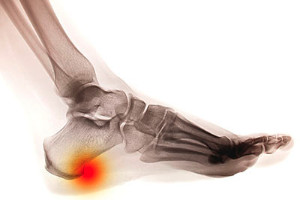
A heel spur is a bony growth that develops along the underside or back of the heel bone. It forms when ongoing stress causes calcium deposits to build up over time. Although a heel spur may appear on an X-ray, it does not always cause pain. Common symptoms include heel pain, tenderness, and discomfort after rest. Several factors can contribute to heel spur development. Understanding these factors can help you make informed choices about foot care. Pain may be strongest with the first steps in the morning.
Age is one risk factor because cushioning and flexibility can change over time. Excessive weight can place additional pressure on the heels during daily activities. Poor foot function may also contribute when abnormal walking mechanics increase stress on the heel. Other risk factors include prolonged standing, repetitive activity, and tight calf muscles. A history of plantar fasciitis may also increase the likelihood of developing a heel spur.
When heel pain continues, a podiatrist begins with a discussion of symptoms and a foot examination. X-rays may identify a heel spur and evaluate the heel bone. The podiatrist may recommend activity changes, heel cushions, or custom orthotics to reduce pressure. Treatment can also include medication when appropriate to manage inflammation and pain. If symptoms persist, additional podiatric treatments may be considered based on the cause and severity of the condition.
A heel spur can sound concerning, especially when pain affects your routine, but the presence of a spur does not automatically mean surgery is necessary. Early evaluation can help you understand why your heel hurts and what steps may improve comfort. If you have persistent heel pain or a heel spur, it is suggested that you consult a podiatrist for an accurate diagnosis and appropriate treatment.
Heel spurs can be incredibly painful and sometimes may make you unable to participate in physical activities. To get medical care for your heel spurs, contact one of our podiatrists from The Foot Center. Our doctors will do everything possible to treat your condition.
Heels Spurs
Heel spurs are formed by calcium deposits on the back of the foot where the heel is. This can also be caused by small fragments of bone breaking off one section of the foot, attaching onto the back of the foot. Heel spurs can also be bone growth on the back of the foot and may grow in the direction of the arch of the foot.
Older individuals usually suffer from heel spurs and pain sometimes intensifies with age. One of the main condition's spurs are related to is plantar fasciitis.
Pain
The pain associated with spurs is often because of weight placed on the feet. When someone is walking, their entire weight is concentrated on the feet. Bone spurs then have the tendency to affect other bones and tissues around the foot. As the pain continues, the feet will become tender and sensitive over time.
Treatments
There are many ways to treat heel spurs. If one is suffering from heel spurs in conjunction with pain, there are several methods for healing. Medication, surgery, and herbal care are some options.
If you have any questions, please feel free to contact our office located in Los Angeles, CA . We offer the newest diagnostic and treatment technologies for all your foot care needs.
