Connect With Us
Blog
Items filtered by date: September 2026
Tuesday, 29 September 2026 00:00
How Podiatric Care Can Manage Plantar Fibroma Discomfort
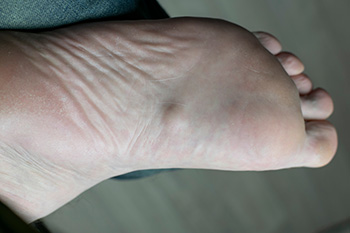
A plantar fibroma is a benign, non-cancerous growth that develops within the plantar fascia. This strong band of tissue runs along the bottom of the foot and supports the arch. A plantar fibroma usually appears as a firm lump within the arch. It may be small at first but can become more noticeable over time. Although the growth is not cancerous, it can cause discomfort while walking or standing. Early evaluation can help identify the cause of a new lump.
The exact cause of plantar fibroma is not always known. Repeated stress on the plantar fascia may contribute to its development. Risk factors can include family history, certain foot mechanics, and repeated pressure on the arch. People with conditions that affect connective tissue may also have an increased risk. Additionally, wearing shoes that place pressure directly over the lump can make symptoms more noticeable. Some people have no pain, while others develop tenderness or aching during activity.
Plantar fibroma symptoms commonly include a firm, noticeable nodule in the arch. The lump may feel tender when pressed or when standing for long periods of time. Walking barefoot on hard surfaces can make discomfort more noticeable. Tight shoes may also rub against the growth and increase irritation. A podiatrist can examine the foot and discuss your symptoms and medical history. Imaging, such as an ultrasound or an MRI scan, may be recommended when the diagnosis needs clarification.
Treatment depends on the size of the fibroma and how much it affects your daily activities. A podiatrist may begin with footwear changes, padding, or custom orthotics to reduce pressure on the growth.Your podiatrist may monitor the fibroma over time if symptoms remain mild, and more persistent cases may require additional treatment options. If you have a plantar fibroma, it is suggested that you consult a podiatrist for an accurate diagnosis and appropriate treatment.
A plantar fibroma may disrupt your daily activities. If you have any concerns, contact one of our podiatrists of The Foot Center. Our doctors can provide the care you need to keep you pain-free and on your feet.
Plantar Fibroma
A plantar fibroma is a fibrous knot in the arch of the foot. It is embedded in the plantar fascia which is a band of tissue that extends from the heel to the toes along the bottom of the foot. There can be multiple plantar fibromas in the feet at the same time. There are no known causes for this condition. If you have a plantar fibroma, there will be a bump in the arch of your foot that cannot be missed. Any associated pain is most often due to a shoe rubbing against the nodule. Non-surgical options, such as steroid injections, physical therapy, and orthotics should be tried first. Surgery is a last resort and is the only thing that will remove a plantar fibroma entirely. Consult with a podiatrist for a proper diagnosis and to determine the treatment regimen that is right for you.
What Causes a Plantar Fibroma?
While there are no specific causes identified, a plantar fibroma can possibly come from genetic predisposition or the formation of scar tissue that forms from healing the tears in the plantar fascia.
What Are the Symptoms of a Plantar Fibroma?
There will be a noticeable lump in the arch of the foot that may or may not cause pain. If pain is felt, it is typically because a shoe is rubbing up against the lump or when walking or standing barefoot.
Treatment and Prevention
A plantar fibroma will not disappear without treatment, but it can get smaller and be a non-issue. If pain persists, a podiatrist examines the foot and when the arch of the foot is pressed, pain can be felt down to the toes. An MRI or biopsy might be performed to help diagnose or evaluate the plantar fibroma. The following non-surgical options are generally enough to reduce the size and pain of these nodules:
- Steroid injections
- Orthotics
- Physical therapy to help apply anti-inflammatory creams on the bump
Surgery is considered if the mass increases in size and the patient continues to feel pain after non-surgical methods are tried.
If you have any questions, please feel free to contact our office located in Los Angeles, CA . We offer the newest diagnostic and treatment technologies for all your foot care needs.
Sunday, 27 September 2026 00:00
Get Professional Care for a Broken Foot or Ankle

Constant care and regular evaluation are important for a foot or ankle fracture. If left untreated, foot or ankle fractures can worsen over time and create more serious problems.
Don't wait to be examined if you believe you've experienced a foot or ankle fracture.
Tuesday, 22 September 2026 00:00
Big Toe Pain Can Point to Injury or Gout
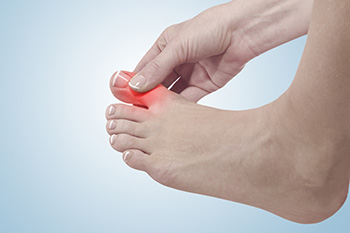
Big toe pain can make every step uncomfortable and limit normal daily activities. Several conditions can affect the joint at the base of the big toe, including injuries and inflammatory arthritis. Two well-known causes are turf toe and gout. Turf toe happens when the big toe bends beyond its normal range, stretching or tearing the supporting tissues. Gout develops when uric acid builds up in the body and forms sharp crystals inside the joint. Both conditions cause pain, swelling, stiffness, and difficulty walking, but they begin for very different reasons.
Turf toe usually follows a sports or dance injury where forceful movement pushes the toe upward too far. Pain starts quickly, and the joint feels tender when moving or bearing weight. Bruising can appear around the base of the toe. Gout can begin suddenly, sometimes at night, with intense pain, warmth, redness, and swelling. Even light pressure can feel severe. Repeated gout attacks can damage the joint and reduce movement. Although turf toe and gout share similar symptoms, their causes are different, making an accurate diagnosis extremely important before treatment begins.
A podiatrist carefully examines the painful toe and reviews how the symptoms started. Imaging studies, blood tests, and joint fluid testing help confirm the cause when questions remain. Identifying the correct problem allows treatment to match the condition, instead of only addressing the pain. For turf toe, a podiatrist protects the joint, reduces strain, and monitors healing. For gout, a podiatrist works to identify the joint damage and helps manage the condition with long-term foot care. Surgery may be recommended when serious joint damage or severe instability makes it necessary. Prompt diagnosis helps preserve joint function and improve comfort with everyday activities. If you have a painful big toe, it is suggested that you schedule an appointment with a podiatrist for an accurate diagnosis and appropriate treatment.
Toe pain can disrupt your daily activities. If you have any concerns, contact one of our podiatrists of The Foot Center. Our doctors can provide the care you need to keep you pain-free and on your feet.
What Causes Toe Pain?
Most severe toe pain is caused due to a sports injury, trauma from dropping something heavy on the toe, or bumping into something rigid. Other problems can develop over time for various reasons.
Toe pain can be caused by one or more ailments. The most common include:
- Trauma
- Sports injury
- Wearing shoes that are too tight
- Arthritis
- Gout
- Corns and calluses
- Hammertoe
- Bunions
- Blisters
- Ingrown toenails
- Sprains
- Fractures (broken bones)
- Dislocations
When to See a Podiatrist
- Severe pain
- Persistent pain that lasts more than a week
- Signs of infection
- Continued swelling
- Pain that prevents walking
Diagnosis
In many cases the cause of toe pain is obvious, but in others, a podiatrist may want to use more advanced methods to determine the problem. These can range from simple visual inspections and sensation tests to X-rays and MRI scans. Prior medical history, family medical history, and any recent physical traumatic events will all be taken into consideration for a proper diagnosis.
Treatment
Treatments for toe pain and injuries vary and may include shoe inserts, padding, taping, medicines, injections, and in some cases, surgery. If you believe that you have broken a toe, please see a podiatrist as soon as possible.
If you have any questions please contact our office located in Los Angeles, CA . We offer the newest diagnostic and treatment technologies for all your foot and ankle needs.
Tuesday, 15 September 2026 00:00
What Causes Heel Pain?
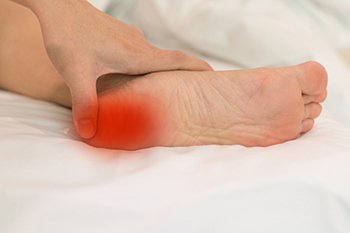
Heel pain can make standing, walking, and everyday activities uncomfortable. Pain may occur underneath the heel, along the sides, or at the back where the Achilles tendon connects to the heel bone. Symptoms can range from a sharp or stabbing sensation to aching, or throbbing discomfort. Some people experience worse pain with their first steps in the morning or after sitting for an extended period of time. Swelling, stiffness, and difficulty putting weight on the foot may also develop.
Plantar fasciitis is one of the most common causes of heel pain. It develops when the plantar fascia, a strong band of tissue supporting the bottom of the foot, becomes irritated from repeated stress. Achilles tendon problems can cause pain and stiffness at the back of the heel, particularly after physical activity. Other possible causes include heel spurs, foot or ankle injuries, or wearing poorly fitting shoes. Additionally, sudden increases in exercise, prolonged standing, and walking on hard surfaces can place additional strain on the heel.
Several factors can increase the risk of heel pain. Age may contribute as tissues become less flexible and natural cushioning decreases. Running, jumping, and other high-impact activities can create repetitive stress. Excess weight can increase pressure on the heels during standing and walking. People who work on their feet for long periods may also experience greater strain. Morning heel pain is commonly associated with plantar fasciitis, while pain and stiffness behind the heel may indicate an Achilles tendon problem.
Identifying the cause of heel pain is important because treatment depends on the underlying condition. A podiatrist can examine your foot, assess walking mechanics, and determine whether imaging is needed. Treatment may include wearing supportive footwear, orthotics, and stretching. If heel pain affects your daily activities, it is suggested that you consult a podiatrist for an accurate diagnosis and appropriate treatment.
Many people suffer from bouts of heel pain. For more information, contact one of our podiatrists of The Foot Center. Our doctors can provide the care you need to keep you pain-free and on your feet.
Causes of Heel Pain
Heel pain is often associated with plantar fasciitis. The plantar fascia is a band of tissues that extends along the bottom of the foot. A rip or tear in this ligament can cause inflammation of the tissue.
Achilles tendonitis is another cause of heel pain. Inflammation of the Achilles tendon will cause pain from fractures and muscle tearing. Lack of flexibility is also another symptom.
Heel spurs are another cause of pain. When the tissues of the plantar fascia undergo a great deal of stress, it can lead to ligament separation from the heel bone, causing heel spurs.
Why Might Heel Pain Occur?
- Wearing ill-fitting shoes
- Wearing non-supportive shoes
- Weight change
- Excessive running
Treatments
Heel pain should be treated as soon as possible for immediate results. Keeping your feet in a stress-free environment will help. If you suffer from Achilles tendonitis or plantar fasciitis, applying ice will reduce the swelling. Stretching before an exercise like running will help the muscles. Using all these tips will help make heel pain a condition of the past.
If you have any questions, please feel free to contact our office located in Los Angeles, CA . We offer the newest diagnostic and treatment technologies for all your foot care needs.
Tuesday, 08 September 2026 00:00
Bunion Symptoms and How a Podiatrist Can Help
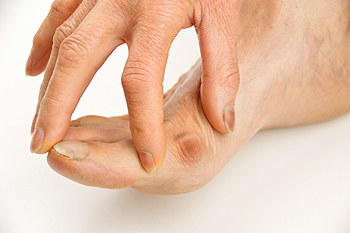
A bunion is more than a bump on the side of the big toe. It develops when the bones near the big toe move out of their normal position, causing the big toe to lean toward the smaller toes. The area can become red, swollen, and painful. A bunion can also affect how the foot fits inside shoes. Wearing tight, narrow, or high-heeled shoes can place extra pressure on the toe area and make symptoms harder to manage. Foot shape and structure can also play a role, so some people are more likely to develop bunions because of inherited foot traits. Pain can also develop when the bunion rubs against the inside of a shoe.
A podiatrist can examine the foot and determine how the bunion is affecting movement and comfort. Care depends on the patient's symptoms and the condition of the foot. A podiatrist can recommend ways to reduce pressure on the bunion, assess how shoes affect the toes, and discuss treatment options for painful or limiting symptoms. A bunion can also contribute to other foot problems, like arthritis, painful pressure beneath the front of the foot, and changes in the smaller toes. Because these problems can affect walking, an evaluation can help identify the source of discomfort and guide appropriate care.
When a bunion causes ongoing pain or makes normal activities difficult, a podiatrist can discuss whether surgery is appropriate. Surgery is designed to correct the bone position and improve the alignment of the big toe. The type of procedure depends on the size and position of the bunion and the needs of the patient. Not every person with a bunion needs surgery, so an examination is important before making that decision. Early evaluation can also help a podiatrist understand how the bunion affects the rest of the foot. If you have developed a bunion, it is suggested that you schedule an appointment with a podiatrist for effective relief and treatment solutions.
If you are suffering from bunions, contact one of our podiatrists of The Foot Center. Our doctors can provide the care you need to keep you pain-free and on your feet.
What Is a Bunion?
A bunion is formed of swollen tissue or an enlargement of boney growth, usually located at the base joint of the toe that connects to the foot. The swelling occurs due to the bones in the big toe shifting inward, which impacts the other toes of the foot. This causes the area around the base of the big toe to become inflamed and painful.
Why Do Bunions Form?
Genetics – Susceptibility to bunions are often hereditary
Stress on the feet – Poorly fitted and uncomfortable footwear that places stress on feet, such as heels, can worsen existing bunions
How Are Bunions Diagnosed?
Podiatrists often perform two tests – blood tests and x-rays – when trying to diagnose bunions, especially in the early stages of development. Blood tests help determine if the foot pain is being caused by something else, such as arthritis, while x-rays provide a clear picture of your bone structure to your provider.
How Are Bunions Treated?
- Refrain from wearing heels or similar shoes that cause discomfort
- Select wider shoes that can provide more comfort and reduce pain
- Anti-inflammatory and pain management drugs
- Orthotics or foot inserts
- Surgery
If you have any questions, please feel free to contact our office located in Los Angeles, CA . We offer the newest diagnostic and treatment technologies for all your foot care needs.
Tuesday, 01 September 2026 00:00
Recognizing the Signs of a Broken Toe
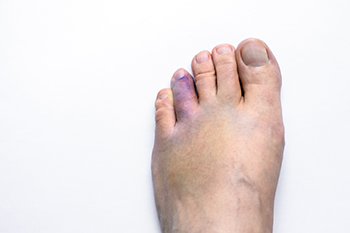
A broken toe occurs when one of the small bones in a toe cracks or breaks. Toe fractures often happen after a direct injury, such as dropping a heavy object on the foot or striking the toe against something hard. Repeated stress can also cause small cracks in the bones over time. Common symptoms include pain, swelling, and bruising around the injured toe. Walking or putting pressure on the foot may increase discomfort. Some fractures can cause the toe to look different from its normal position. Because sprains and other injuries can produce similar symptoms, a professional evaluation can help determine whether a fracture has occurred.
The severity of a broken toe depends on which bone is injured and whether the broken pieces remain properly positioned. The big toe is especially important because it helps with balance and pushing off the ground while walking. A fracture in this area may have a greater effect on normal movement. Some broken toes may also involve damage to nearby joints or soft tissues. Without proper care, certain fractures can lead to ongoing pain, stiffness, or changes in toe alignment. An accurate diagnosis helps determine the extent of the injury and whether imaging is needed to guide treatment.
A podiatrist can examine a suspected broken toe and develop a treatment plan based on the type of fracture. The evaluation may include checking the toe for tenderness, swelling, and changes in alignment. X-rays may be used to locate the fracture and determine whether the bone has shifted. Podiatric treatment focuses on protecting the injured bone and supporting proper healing. More serious fractures may require additional procedures when bones are out of position or a joint is affected. Proper follow-up can also help monitor healing and restore comfortable foot function. If toe pain, swelling, or difficulty walking develops after an injury, it is suggested that you consult a podiatrist for an evaluation and appropriate treatment options.
A broken toe can be very painful and lead to complications if not properly fixed. If you have any concerns about your feet, contact one of our podiatrists from The Foot Center. Our doctors will treat your foot and ankle needs.
What to Know About a Broken Toe
Although most people try to avoid foot trauma such as banging, stubbing, or dropping heavy objects on their feet, the unfortunate fact is that it is a common occurrence. Given the fact that toes are positioned in front of the feet, they typically sustain the brunt of such trauma. When trauma occurs to a toe, the result can be a painful break (fracture).
Symptoms of a Broken Toe
- Throbbing pain
- Swelling
- Bruising on the skin and toenail
- The inability to move the toe
- Toe appears crooked or disfigured
- Tingling or numbness in the toe
Generally, it is best to stay off of the injured toe with the affected foot elevated.
Severe toe fractures may be treated with a splint, cast, and in some cases, minor surgery. Due to its position and the pressure it endures with daily activity, future complications can occur if the big toe is not properly treated.
If you have any questions, please feel free to contact our office located in Los Angeles, CA . We offer the newest diagnostic and treatment technologies for all your foot care needs.
